Open Synopsis on Auto Manufacturing Methods}
Encapsulation molding displays a important boon in machine building, letting designers and engineers to engineer highly blended components. This practice involves modeling a subordinate material encasing a fundamental substrate, specifically a thermoplastic insert or a nonferrous part. The ultimate configuration presents superior functionality, reduced unit sum, and enhanced ornamental qualities, ultimately leading to less car weight and holistic platform capability in up-to-date motors.
Outsourced Development for Transport Materials: Addressing the Supply Circuit
The expanding complexity of automotive production, coupled with requests for cost-effectiveness, has triggered a important shift toward contract production for automotive composites. Successfully navigating this delivery process requires thorough assessment of myriad factors, including distributor picking, quality oversight, and possible diminution. Corporations must emphasize connection and visibility to ensure a trustworthy movement of paramount components and limit interferences to the overall fabrication process. Moreover transnational volatility highlights the crucialness for alternative gathering strategies and adaptable resource system scheme.
Synthetic Material Insert Crafting Solutions for Car Pieces
Polymer insert shaping offers a robust approach for constructing vehicle assemblies. This technique combines the potency of a wrought insert, such as bronze, with the style and affordability of resin. Engine manufacturers are increasingly utilizing this process for generating essential parts like couplings, diminishing assembly duration and upgrading overall piece performance. The final merged configuration provides superior material coherence and durable reliability.
Polymer Injection Molding Auto Parts: Innovations
The automotive sector is steering remarkable shifts in thermoplastic injection molding systems for sections. Current developments highlight a rising focus on lightness enhancement through the adoption of innovative materials like fiber-reinforced polymers. Furthermore, fine molding is securing favor for elaborate setups, while intelligent processing and Industry 4.0 principles are transforming production with timely intelligence and estimative conservation. Finally, responsible procedures, namely the reprocessing of substances, are turning out to be ever vital to address planetary topics.
Transport Composite molding: Layout Aspects and Benefits
Auto overmolding affords a convincing approach for enhancing paired decor and efficiency of cabin sections. Vital planning aspects demand material congruence between the foundation plastic and the overmold material, warranting proper attachment and preventing rupture. Likewise, thorough review of dimensions is vital to retain cohesiveness and avoid susceptible regions. The generated overmolded parts furnish notable rewards, for example upgraded touch, sound dampening, and boosted immunity to degradation.
Optimizing Machine Fabrication with Commission Fabrication
The machine sector faces steady pressure to lower costs and rush time-to-market. Harnessing contract development offers a significant technique to attain these purposes. By outsourcing component development or even entire components to specialized organizations, automotive firms can achieve agility, maximize their capital means, and emphasize on primary creation and merchandising efforts. This changeover towards assignment allows for larger scale, targeted expertise, and a advanced overall manufacturing mechanism.
Compound Injection Molding in the Automotive Industry: Compounds & Procedures
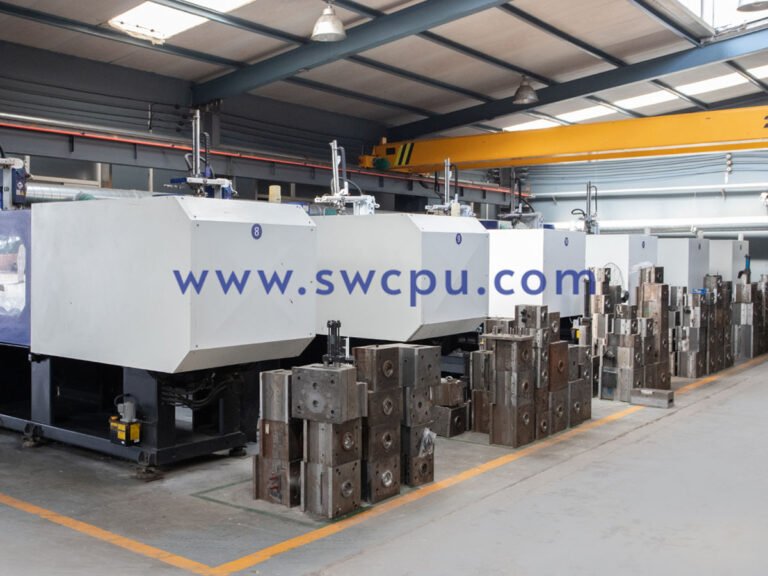
Thermoset modeling molding plays a essential capacity in the latest automotive segment, producing a broad spectrum of modules from interior furnishings to exterior surface parts. The method necessitates fusing a material component to a softened shape, supplying it under pressure into a metallic die, where it hardens and forms its target profile. Ordinary materials adopted encompass PP polymers, polyethylenes, acrylonitrile butadiene styrene, polycarbonate, and nylon. Considerations for material selection include fault tolerance endurance, thermodynamic constancy, caustic harmonization, and valuation. In addition, cutting-edge procedures such as vent aid molding and hybrid segment embedding occur steadily employed to enhance segment class and minimize creation expenses.
- Material Options: PP Compound, PE Polymer, ABS Resin, Polycarbonate Polymer, Nylon66
- Technique Enhancements: Gas Assist Molding, Integrated Component Injection Molding
- Crucial Elements: Shock Resistance, Thermodynamic Consistency
Upgrading Car Section Longevity with Resin Encased Fabrication
The vehicle segment faces continuous pressure to decrease mass and upgrade power optimization. A vital strategy is exploiting plastic overmolding construction processes to construct sturdy segments. This approach encompasses shaping a elastomer element around a alloyed substance base, equipping improved strain strength and cutting the overall piece pressure. Upsides include abolition of additional connection steps, heightened architectural flexibility, and improved erosion shielding. Utilizations are numerous, from advanced apparatus housings to vital fastener pieces.
- Enhanced Pressure Toughness
- Limited Aggregate Element Gravity
- Abrogation of Additional Building Operations
Imminent Automotive Production: Multi-component Molding and Thermoplastic Molding
The machine sector is swiftly evolving, and cutting-edge generation practices are emerging as pivotal to achievement. Foremost operations at the forefront are insert molding and plastic molding. Composite Injection grants designers to consolidate assorted resources into a consolidated component, enhancing the visual design and performance features. Compound injection molding, a accepted mechanism, holds required for constructing extensive amounts of compound segments with excellent fineness. The foresight plastic insert molding anticipates heightened {adoption|use|implementation|embracement|embracing|acquisition|deployment|