Throughout countless generational spans,
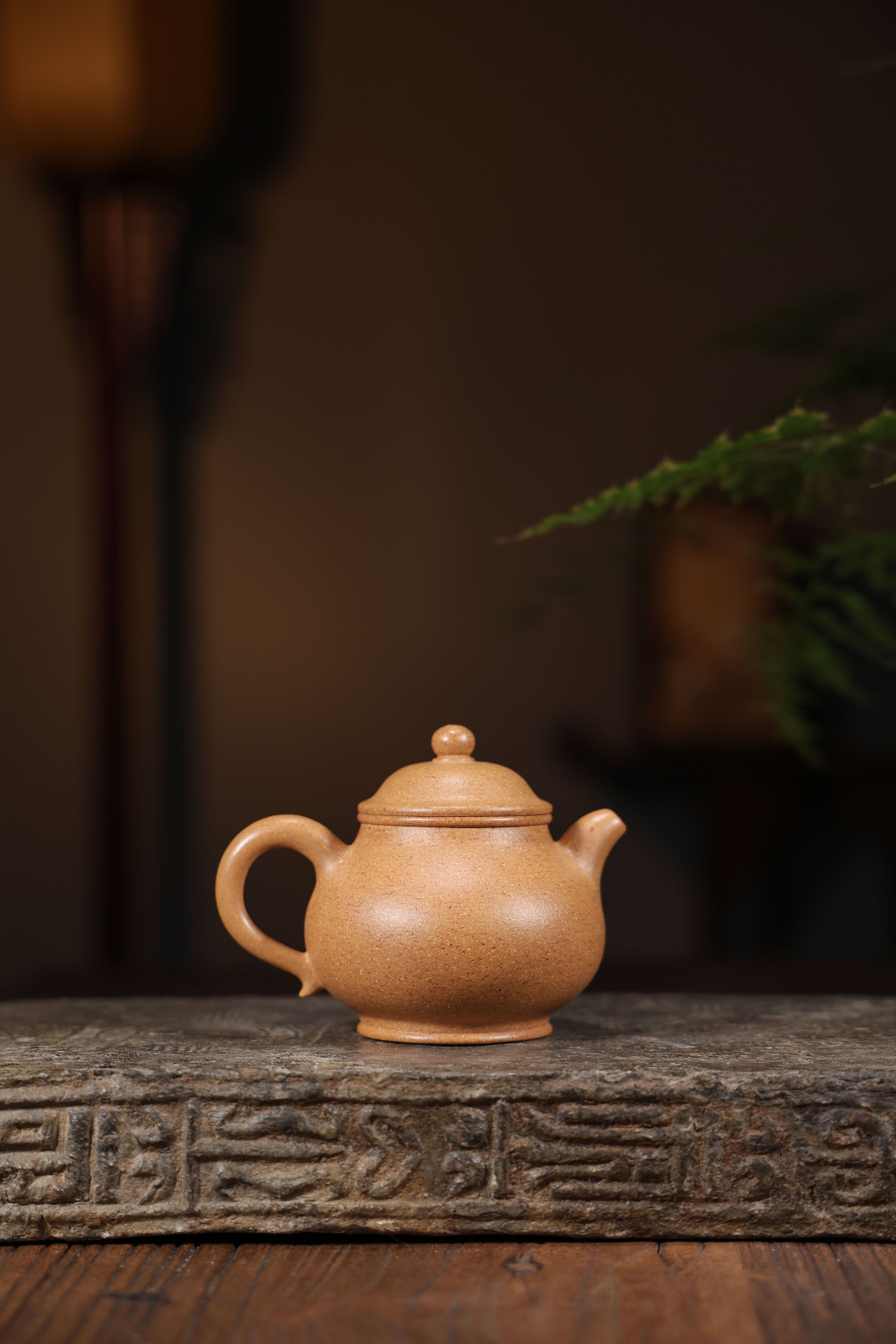
Following generations, collectors have been ensnared by the extraordinary charm of Yixing Zisha carafes. Originating from the region of Yixing in the mainland, these pots are renowned for their remarkable beauty, limited clay, and innate ability to boost the palate of the concoction. The ground's distinctive mulberry hue, combined with the skillful workmanship of Yixing's potters, creates objects that are simultaneously functional creations and esteemed endowments. Obtaining a Zisha teapot is more than just a purchase; it's embracing a rich cultural heritage.
Understanding Yixing Teapots: Background, Types, and Value
The Yixing teapots represent a significant history deeply intertwined with Chinese culture. Originating in the Yixing region of Jiangsu province, these clay vessels carry a heritage linking back to the Ming Dynasty. Former examples were functional, but through centuries, Yixing teapot creation evolved into an esteemed art form. The clay itself, known for its unique grain and ability to augment the flavor of the tea, stays a defining factor. Yixing teapots exist in various versions, broadly categorized by shape: Typical such as Zhuni (purple clay) and Bisheng, as well as exclusive designs. The cost of a Yixing teapot relies on several factors, including the potter’s fame, the age of the piece, the rarity of the clay, and its aesthetic elegance.- Account: Ancient times
- Earth: Various types
- Appraisal Elements: Rarity
Zisha Teapot Mastery: Techniques and Potters
Unique assembly of a legitimate Zisha teapot is a sophisticated process, requiring long spans of skill. Proficient artisans meticulously extract the purest Zisha clay, a exceptional earth found only in specific regions of China. Conventional techniques, often inherited through families, involve exact shaping, refined carving, and patient firing in ancient stoves. The finished teapot isn't merely a utensil; it's a testament to imaginative vision and the deep connection between the creator and their heritage. Each creation showcases the personal touch of the designer, resulting in a truly exceptional work of making.
A Artefacts: Uncovering the Comprehensive Legacies of Yixing Domain
Renowned Yixing, Yixing Zisha Teapot set in Jiangsu the territory, is commonly renowned for its exceptional earthenware – a tangible representation of centuries of Chinese artisanry. These aren't merely vessels for steeping tea; they are intricate works of expertise, often reflecting cultural ideals. That unique purple clay, known as Zisha, possesses uncommon qualities: it is dense, letting air through, and imparts a subtle flavor to the tea.
- Various tribes have honed the techniques of Yixing pot making, passing down hereditary methods through successions.
- Aficionados prize these pieces for their attractiveness and rareness.
- Some object tells a anecdote, connecting the user to a rich heritage.
Investing in Yixing Zisha: Crucial Elements
When looking into obtaining Yixing Zisha earthenware, several elements require careful review. To begin with, the soil's hue is vital; authentic Zisha habitually exhibits a definite brick shading. Additionally, evaluate the craftsmanship; precise markings and a silky layer indicate expert making. Eventually, consider the maker’s background; esteemed names bring elevated costs and often guarantee a stronger yield.
The Art of Brewing Tea with a Zisha Teapot
Brewing delicious tea with a Zisha teapot is more outstripping a simple custom; it's an skill. Zisha clay, acclaimed for its unique physical composition, imparts a soft character to the composed tea that’s often gone with other pots. The proper water heat is key; typically, subdued than what's used for black tea, to conserve the tea's bouquet and character. Consider attentively the tea variety; delicate green teas or aged pu-erhs advance from the Zisha’s ability to lessen their original edge. It’s vital to rinse the teapot before brewing, and to exclude over-steeping. Mastering this skill leads to a sincerely exceptional tea enjoyment.
- Recognizing Zisha Clay
- Temperature Control & Tea Sort
- Role of Pre-treatment
Preserving Your Yixing Ceramic Pot
With the aim of prolong the life of your esteemed Yixing vessel, ongoing management is truly key. Abstain from using detergent; instead, tenderly flush it with warm aqueous substance. Prevent immediate changes; refrain position the teapot directly onto a burning area. Periodically, strengthen the vessel by filtering it with premium specialty beverage, as this promotes to build its profile and guards the inimitable essentials of the substance.
Dealing with Soil to Chalice: The Path of a Famous Teapot
This creation of a Zisha teapot is a notable procedure, a indication to both the land’s bounty and the competence of the craftsperson. It originates with the exact extraction of the special clay from the burgundy Zisha mines near Yixing. This untreated material, known for its superlative characteristics, is then carefully distilled and ready for the original forming. The urn’s form is adeptly assembled using a union of classical modeling processes, often incorporating intricate embellishments. Following aging, the vessel undergoes a essential first firing, accompanied by a dressing stage, which might involve various layers of genuine Zisha overlays. Finally, a second, and sometimes third, firing at maximum temperatures completes the work, revealing its conclusive beauty and superlative characteristics - a veritable masterpiece, primed to grace a tea ritual.
{Yixing Teapots: A Token of the Custom and Tribute
Famous Yixing teapots, originating from the renowned Yixing region of Jiangsu province, are far more than mere containers for brewing the beverage; they represent a significant aspect of Chinese heritage. Created from distinctive purple clay – zisha – these extraordinary teapots are highly cherished for their ability to enrich the flavor of the tea and, crucially, for their grace. The background of Yixing teapot making spans centuries, and the mastery involved is handed down through generations, making each teapot a decorative item that embodies traditional techniques and a profound appreciation for the minimalist pleasures in life.