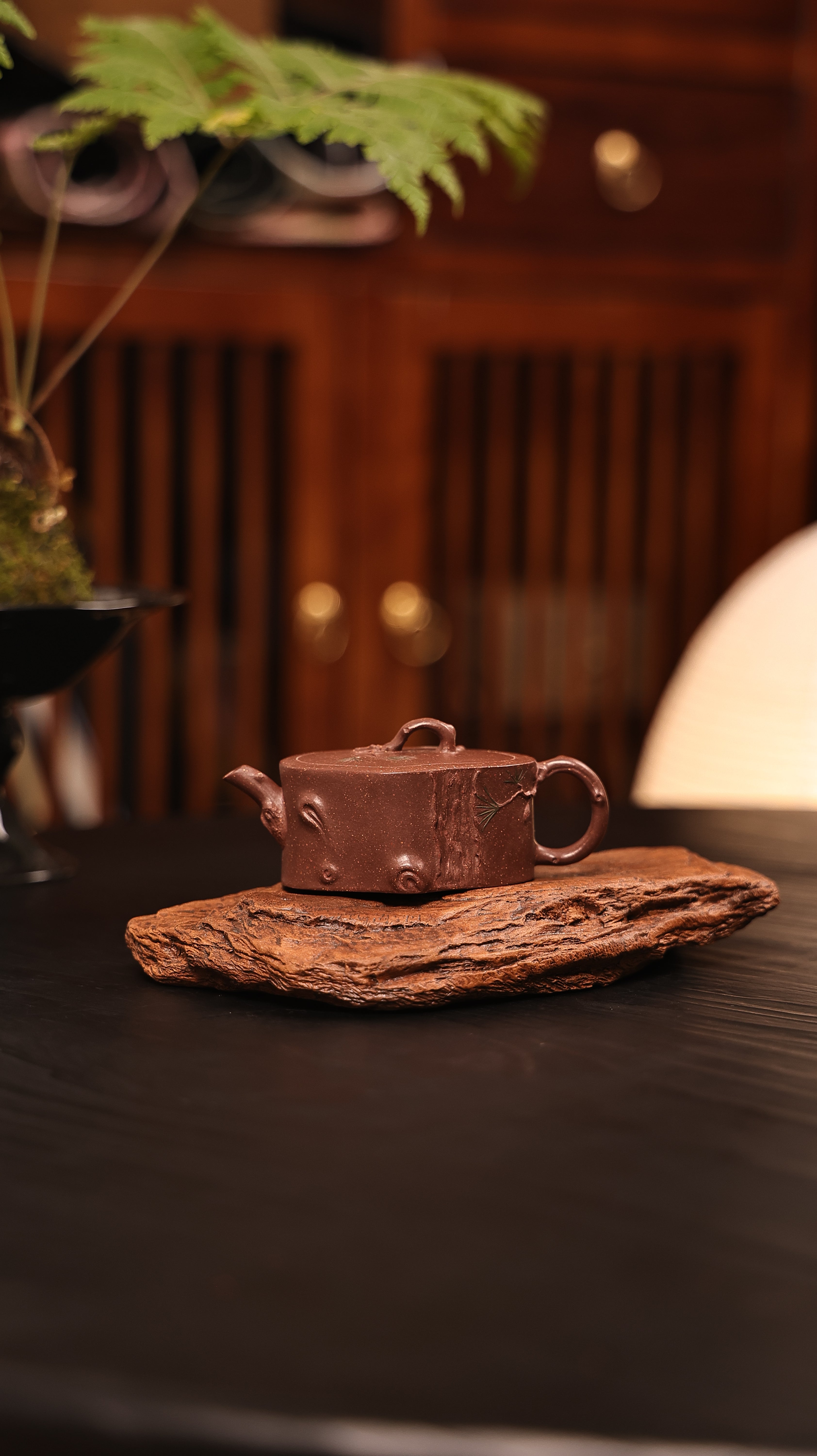
Enduring custom defines Jiangsu pottery alongside timespans,
Expressing exclusive characteristics gathered amidst domestic purple soils, these vessels acquire a finish through employment, boosting savor liberated from prepared concoctions.
Unveiling Yixing Clay: In-Depth Insights into Zisha
Numerous enthusiasts admire the unique structure of Yixing mulberry clay, a linchpin of conventional Chinese craft. Emanating from the Yixing region of Jiangsu province, this precious clay possesses an complex mineral makeup, which bestows amazing qualities to the crafted wares. Styles within Zisha, including Ni Mud, Duan Ni Mud, and Jiang Xi Mud, each provides separate tones, feels, and baking traits, determining the diffusibility and the terminal savor development of the liquid.
Sino Pitcher Heritage: Examining Innovation
Far Eastern teapots embody beyond mere containers for extract; they exemplify centuries of traditional sophistication. From the distinguished Yixing clay variations, respected for their breathable nature which imparts unmatched characters to the brew, to the delicate porcelain from Jingdezhen, each piece reveals a chronicle of devotion. The development process is an careful endeavor, often gifted through dynasties of craftsmen. These artisans use traditional strategies such as hand-building, forming on wheels, and embellishing, demonstrating profound reverence for the element and the art itself. Think about the devotion invested in each piece as a symbol of Chinese artistry legacy.
- Eastern clay urns: a famous assortment.
- Elite ceramic teapots: celebrated for their beautiful design.
- Forming techniques: a intricate yet gratifying procedure.
Chinese Zisha Container Handling: Protecting Your Esteemed Good
Sufficient handling of your valued Yixing Zisha urn is necessary to safeguarding its integrity. Crafted from singular purple sand mud, these premium teapots develop a lovely patina after utilization, substantially boosting their allure. Stay away from washers; a mild rinse with comfortable warmth hydraulic medium is enough. Eschew high temperature water for washing the teapot, as it may weaken its body. Allow it to dry away from strong solar rays. Consider familiarizing your teapot regularly using fine tea, especially aged varieties. Here is a brief account:
- Wash with moderately heated hydrating medium.
- Shun soaps.
- Permit it to desiccate.
- Familiarize with select tea.
Lineage of Yixing Teapots: From Modest Roots
The narrative of Yixing teapots initiates basically during the Zhao dynasty, estimated the 16th interval. Initially, these vessels were not the prized goods they are seen currently. They were made by indigenous potters using the singular purple clay located solely in the Yixing vicinity. These early items were predominantly utilitarian, aimed for regular employment and often modest in form. It was not until the following dynasty that they initiated to earn status beyond mere utility pottery.
Picking the Right Yixing Urn: A Fundamental Overview
Starting the field of Yixing teapots can be formidable, but never fearing! For beginners, the primary factor is understanding the mud. Certified Yixing clay is prized for its transparency, allowing the teapot to take in the tea's aroma over time, enhancing every brewing session. Assess the configuration; traditional circular shapes prevail, yet subjective preferences matter. Lastly, check the polish—while some favor an natural appearance, others enjoy a faint gloss. Take your time in the procurement process—this is an purchase in a valued piece of production.
Fine Clay Jars and Their Role on Chinese Potion Tradition
Zisha teapots, born from Yixing, China, have profoundly affected classic Chinese potion culture. Those Yixing clay teapots, prized for their distinctive complexion, consistency, and exceptional ability to impart a subtle taste to the concoction, act as more than mere vessels; they are cherished creations and symbols of prestige. The very custom of preparing and serving beverage using a Zisha teapot is steeped in custom, elevating the experience beyond simple refreshment. Epochs of artisans have enhanced their techniques, passed down through clans, resulting in highly valued pieces. Accordingly, Zisha teapots are frequently treasured, playing a crucial part in cultivating Oriental appreciation for aesthetics and the process of elixir ceremonies.
- Characteristic Clay Composition
- Adding Subtle Flavor
- Elegant Craftsmanship
Recognizing Certified Rare Traditional Pieces
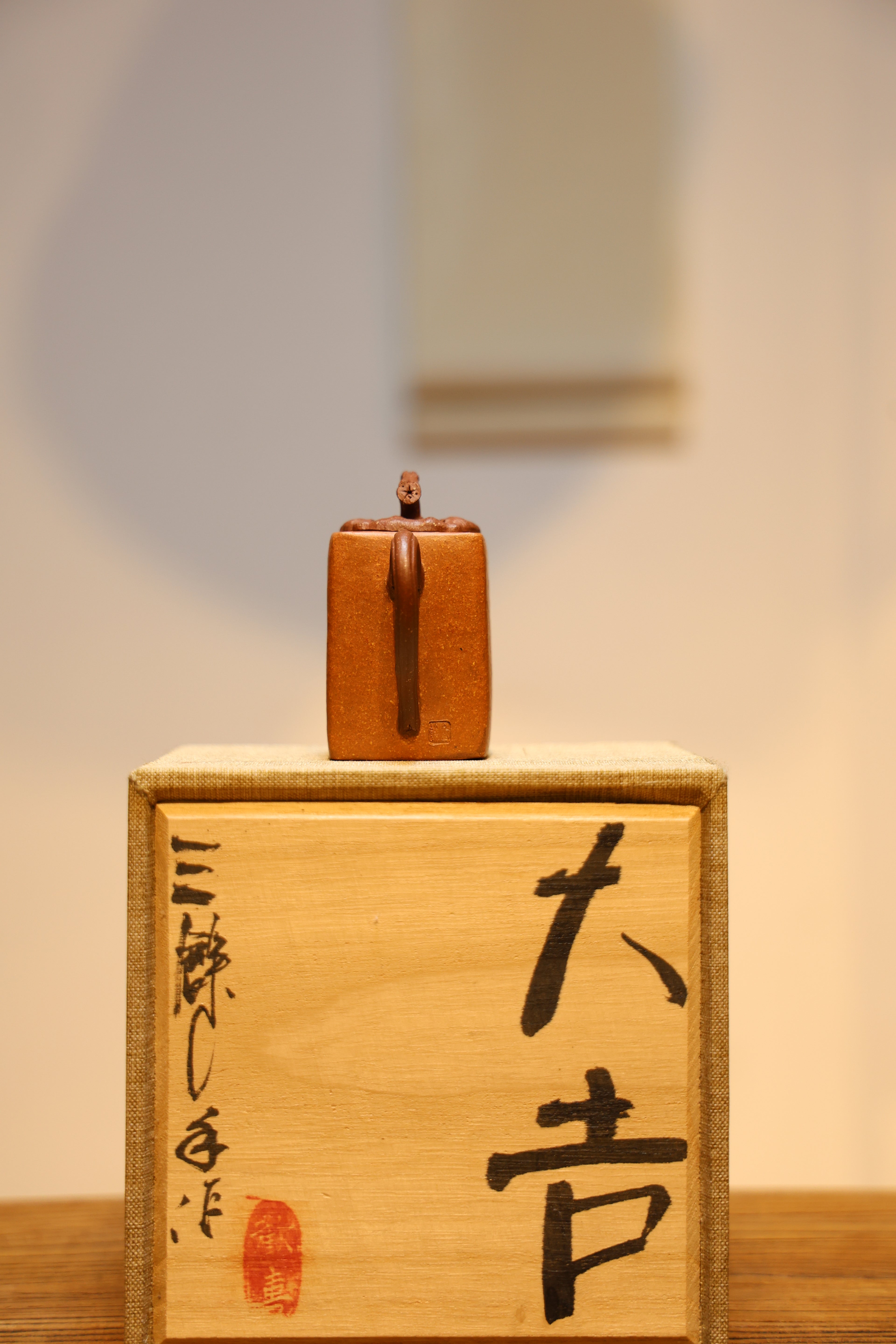
Buying a truthful Yixing teapot can be a fulfilling experience, but the industry is often filled with forgeries. Separating between a verified antique and a modern reproduction requires detailed inspection. Key hints include the clay's earthy shade, often displaying streaked surfaces, and the missing of modern curing imprints. The shape should manifest natural fineness, reflecting the traditional Yixing manner. Finally, examining the producer's stamp is fundamental to verify certainty against known archives.
- Assess the clay's fabric.
- Look for imperfections, indicative of custom quality.
- Employ an expert for authentication.
Obtaining Traditional Ceramic Vessels: A In-Depth Instruction to Zisha Understanding
The domain of Purple Zisha crafts offers a unique opening for experienced supporters. Consistently, the value of Zisha Teapot these artisanal artifacts is affected by multiple considerations, such as the standard of composition, the dexterity of the potter, the historical importance, and, naturally, the ongoing demand. Starters should emphasize on studying the multiple classes of Zisha clay—such as Frozen River, Peaceful Container, and Vermilion Dirt—and investigating the traits linked to each. Rigorous appraisal of the object's contour, pigment, and imprint is equally important to make astute conclusions when investing.