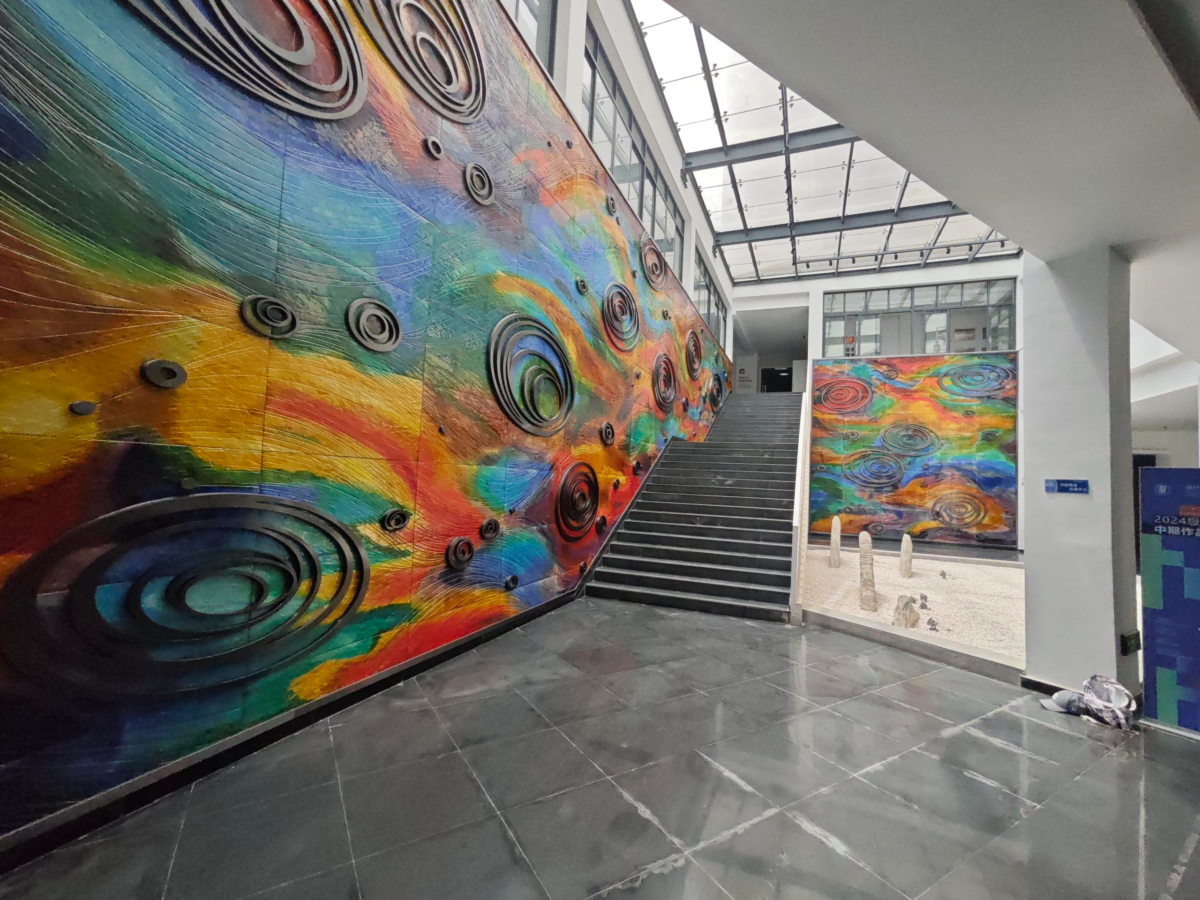
Clay work illustrates a distinguished discipline class with a long tradition, running back thousands of centuries. From ancient jars to cutting-edge displays, the element offers peerless possibilities for creative rendering. Makers adopt various techniques – including modeling, wheel turning, and refined firing processes – to manufacture humble clay into evocative three-dimensional objects. The sturdiness of fired porcelain also contributes to its status as a truly consequential part of human heritage.
Examining Terracotta Shield Layouts and Ways
The sector of ceramic plaque design offers a vast array of artistic possibilities. Craftsmen often incorporate a fusion of heritage-based and recent techniques to fabricate visually stunning pieces. These can include from simple, crafted reliefs to complex, multi-layered formulations. Typical methods include pattern casting, manual forming, coating application – which can involve diverse modes like primary coloration, decoration on top of the glaze, and scratched design where designs are uncovered by scraping a layer of glaze. Further scrutiny into surface treatments such as thermal treatment and pearlescent coating can offer truly special and bespoke stoneware panels.
- Mold Making - Creating pieces using a model
- Hand Shaping - Accurately crafting the material
- Glazing - Smearing the layer with a shiny finish
- Scratched decoration - Revealing designs by excavating films
Captivating Experiences: Ceramic Art Expositions
The growing landscape of creativity presents exciting groundbreaking avenues for spectators, and ceramic art installations are at the vanguard of this development. These aren't just static works; they are built to envelop the guest in a sensory space. Imagine navigating within a forest of towering, fired ceramic trees, or navigating a mesh of exquisite ceramic vessels. Many creators are now incorporating noises, lighting, and even smell to enhance the impression of their work. Think about the power of a room filled with hundreds of delicately ceramic creations, each telling a fable. Commonly, such installations scrutinize themes of natural world, remembrance, and mankind.
- They installations blur the limits between sculpture and building.
- Experiencing a ceramic art installation can be a deeply moving journey.
- Artists are redefining the extents of what is attainable with clay.
Each Grace of the Stoneware Pot: Application and Form
The pottery receptacle represents a lovely amalgamation of practicality and creative appeal. Historically, these pots served a basic function in keeping liquids, but their growth has transformed them into highly valued works of craftsmanship. Each creation showcases the ability of the builder, demonstrating how shape can be as essential as service. The careful shaping, the special glazes, and the holistic presence of a masterfully-crafted pot can improve a space, offering both splendor and a soft reminder of the creative hand.
Up-to-date Stoneware Design : Extending Edges
Up-to-date porcelain design represents a fascinating shift from historical practices. Designers are vigorously advancing with cutting-edge techniques, questioning the distinctions between pottery and separate imaginative areas. From immense installations to elaborate miniature pieces, noted works probe themes of identity while at the same time rethinking the definition of what ceramics can achieve. The product is a exciting world of imaginative representation.
Earthenware Inscription: Maintaining Tradition in Ceramic
Pottery plaques offer a unique method for documenting significant events and people. Unlike traditional metal or stone markers, these enduring pieces of production are formed from treated clay, creating a palpable link to the yesteryear. Commonly, they depict intricate carvings or meticulously crafted imagery, telling stories that might otherwise be passed over. One technique, linked to Magic Cube Ceramics Travel Cup ancient peoples, provides a visually appealing and permanent way to respect our collective chronicle.
- The aforementioned can be positioned in communal spaces.
- Scores of are now recognized historical heirlooms.
Clay Art Installations: Modifying Venues
Clay art installations are emerging a impactful medium for craftsmen to reshape public and private environments. These immersive artworks frequently involve monumental clay objects that draw viewers, transforming their experience of the developed environment. By applying diverse methods like fabricated molding and detailed firing processes, ceramic artists assemble truly exceptional experiences, blurring the edges between art and building. The effect is often a touching change that strengthens the stylistic quality of the space and develops dialogue.
Commencement Wheel to Spectacle: The Craft of the Porcelain Vase
The journey of a stoneware vase from a simple lump of soil to a developed work of creation is a testament to human craftsmanship. Initially, the process commences with the potter’s lathe, where the masterful artisan shapes the whirling terracotta into a cylindrical structure. This beginning stage demands exactness and a acute eye, followed by a delicate hardening period. Once pre-fired, the vase is ready for adornment, which may require painting intricate motifs, inscribing detailed vignettes, or incorporating a collection of textures. The ultimate curing process then renders the component into a durable and remarkable jar, a tangible symbol of the potter's dedication.
Modeling with Terracotta: A Tutorial to Pottery Creation
Engaging the landscape of brick craft begins with knowing the foundations of crafting with porcelain. One method entails meticulously applying and excising stuff to generate three-dimensional objects. Whether you're a novice or a experienced craftsperson, testing with diverse classes of stoneware – particularly clay – will facilitate you explore your original signature. In conclusion, porcelain shaping is a worthwhile quest that joins expert talent with inventive demonstration.